
Silence, Sound, and Inner Life
Los renglones torcidos de DiosAlice’s reflection that silence cannot truly be heard develops into a larger meditation on communication and the hidden lives of residents.
increasing Bearing strength in each event
 decreasing
Bearing strength in each eventdecreasingA Theory of Sound
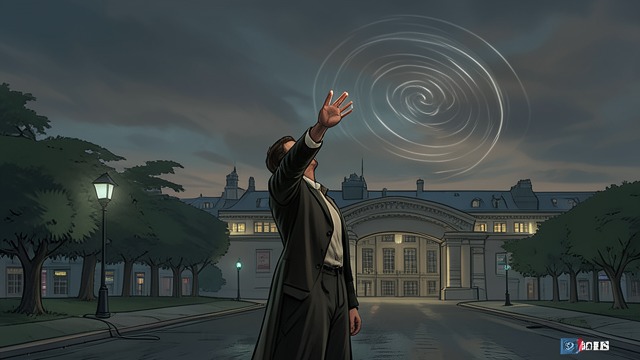
The Unheard Silence
A philosophical claim
Alice argues that people do not escape sound by leaving a city; they exchange harsh noises for gentler ones. Even apparently silent nature contains small vibrations and movements.
A lasting impression
Arellano is captivated by her explanation, which reveals her imaginative and philosophical strengths. The conversation establishes that her mind can produce insight even while the doctors remain uncertain about its health.
Voices Without Dialogue
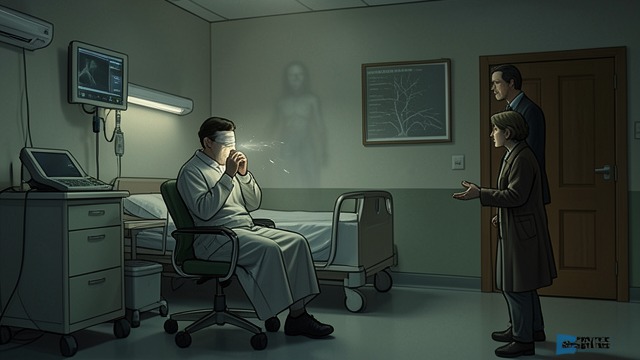
Communication at the Margins
Many kinds of silence
Carolo refuses to speak, a blind resident sings, and others talk to imagined interlocutors. The hospital contains silence as choice, incapacity, symptom, and misunderstanding.
Alice learns to listen
Her observations reveal that a person who does not answer may still be attentive, while fluent speech may not connect speaker and listener. Communication becomes a problem of relation rather than mere sound.
The Unspoken Goodbye

What Words Cannot Settle
Emotional restraint
Alice thanks César Arellano and says farewell without fully naming the attachment between them. Her feelings exceed what the exchange can contain, and his pager interrupts before either can resolve them.
Silence as remainder
The unspoken sentiment persists after the hospital has made its practical decision. The novel’s concern with silence thus extends from sound to the words people cannot or will not say.
During Alice’s early conversation with Arellano
During Alice’s first days among residents
After Alice’s discharge is approved
